Specifications5 min read
Understanding Wood-Pellet Specifications
A specification sheet describes how a pellet has been measured against a standard. Knowing what each line means makes it easier to compare offers on the same basis.
The main parameters
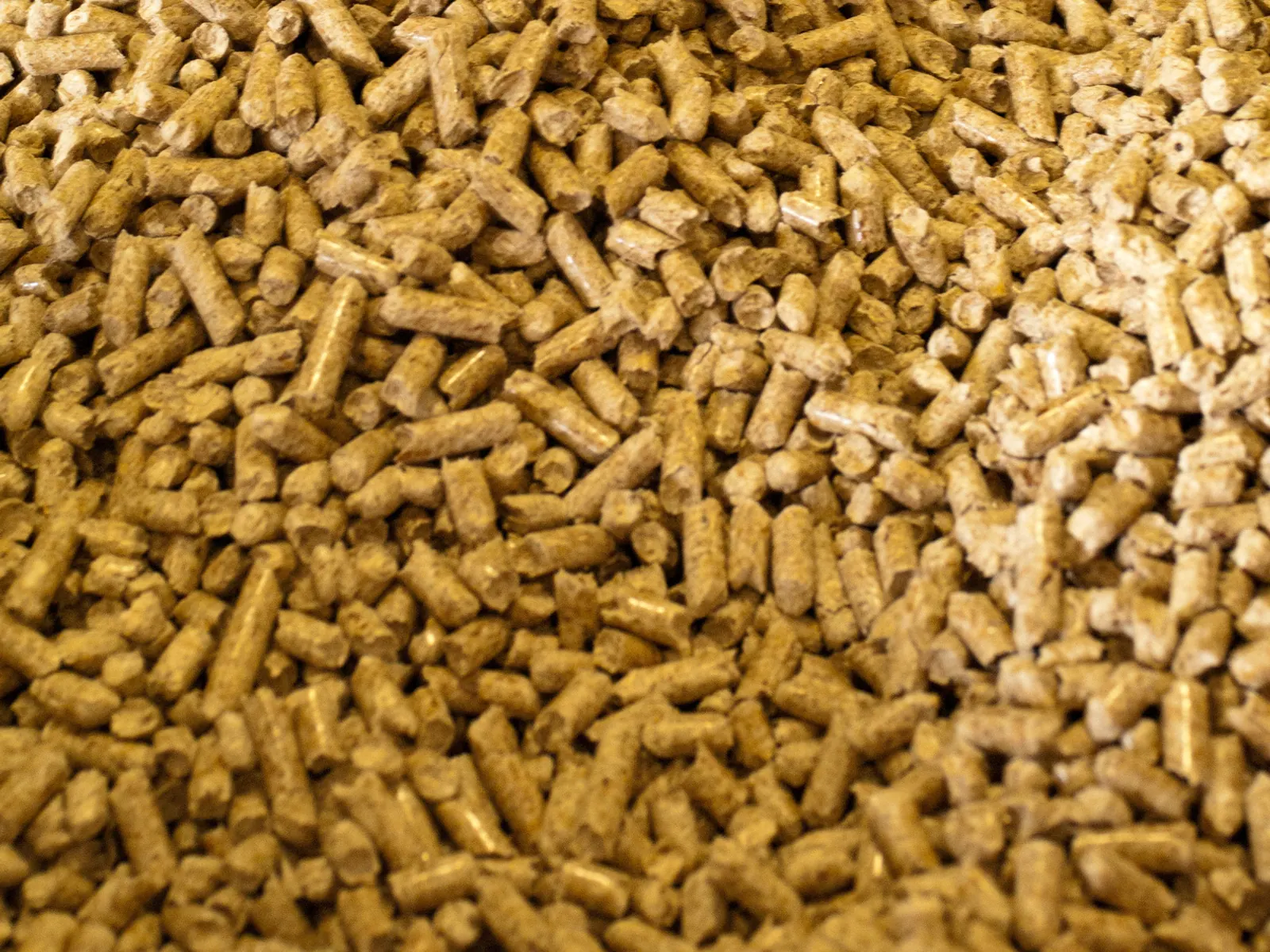
- Diameter and length: must match what your appliance's feed system is designed for.
- Moisture content: lower moisture means more of the pellet's weight is usable fuel.
- Ash content: the mineral residue left after burning, which affects how often you clean.
- Mechanical durability: how well pellets resist breaking up during transport and handling.
- Fines: the proportion of dust and small fragments in the delivery.
- Net calorific value: the heat energy available per unit of weight.
- Bulk density: the weight of pellets per unit of volume, useful for sizing storage.
Standards and quality classes
In Europe, wood pellets are commonly graded against the international standard ISO 17225-2, which defines property classes for different uses. Certification schemes such as ENplus and DINplus build on that standard and add requirements for production and handling.
A quality class only has meaning if it is backed by a valid certificate or test report for the product you are actually buying, so ask to see it.
Comparing offers
Compare like with like: the same diameter, the same quality class and the same delivery format. Price per tonne is only a fair comparison once those are equal.
This guide offers general information. Always follow the instructions of your appliance and storage manufacturers.